Who Are We? The Atma, the Soul, and the Bhagavad Gita's First Teaching
Sanatana Dharma's answer to 'who am I': you are not the body but the eternal atma. The Bhagavad Gita's verses on the soul, its size (a ten-thousandth of a
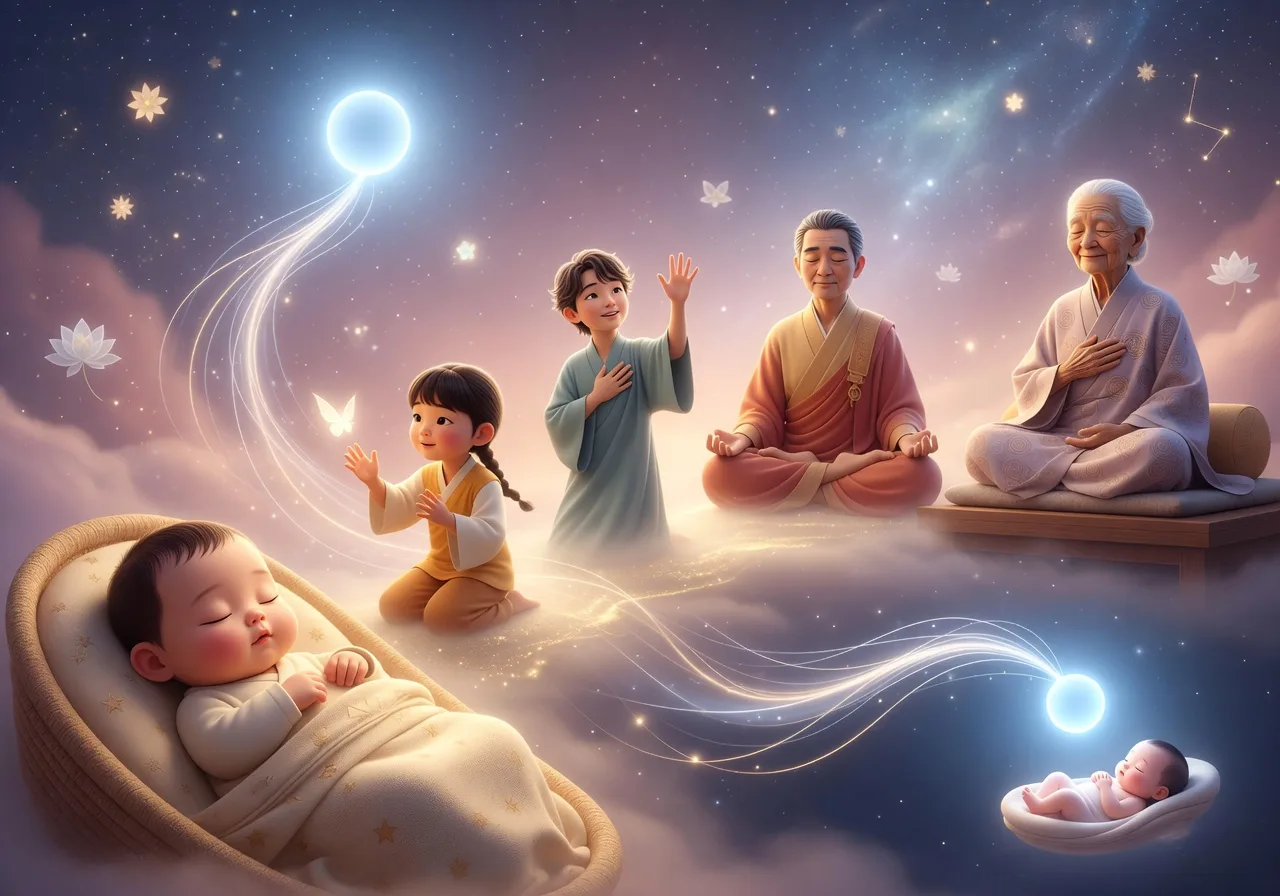
Ask a person who they are and the answers come fast. A man. An accountant. Indian. Middle-aged. Bald. But is any of that really you? This lesson sets the single idea that the whole of Sanatana Dharma stands on: you are not the body. You are the atma, the eternal soul, and the body is only the suit you are wearing right now. Get this, and the rest of the path opens. Miss it, and nothing else will quite make sense.
Are you the body, or something more?
Here is the test the teachers use with schoolchildren, and it works on adults just as well. Three questions.
- How big was your body when you were born? (Tiny.)
- Do you have that same body today? (No.)
- Are you the same person? (Yes.)
Sit with that. Your body has completely changed, yet you are still you. So you cannot be the body. You are something more than it. Science agrees on the first half: the cells of your body are replaced over roughly seven years, so the body you carry now is not the body you carried then. The label changed. The wearer did not.
What does the Bhagavad Gita say about the soul?
Krishna's very first teaching to Arjuna, before any talk of duty or yoga, is about the soul. He spends nineteen verses on it, from the twelfth to the thirtieth of chapter two. The setting matters. On the battlefield, facing his own grandfather Bhishma, Arjuna loses heart and refuses to fight. Krishna answers not with comfort but with truth.
| Verse | What Krishna teaches |
|---|---|
| 2.11 | "You mourn for what is not worthy of grief. The wise lament neither for the living nor the dead." |
| 2.12 | "Never was there a time when I did not exist, nor you, nor all these kings. Nor shall any of us ever cease to be." We are eternal. |
| 2.13 | As the soul passes through childhood, youth and old age in one body, it passes into another body at death. The wise are not bewildered. |
| 2.14 | Happiness and distress come and go like winter and summer. Learn to tolerate them without being disturbed. |
| 2.15 | One steady in both happiness and distress is fit for liberation. |
| 2.16 | The body (the non-eternal) has no lasting existence; the soul (the eternal) never changes. |
| 2.17 | That which pervades the whole body is indestructible. No one can destroy the imperishable soul. |
| 2.18 | The body is sure to end, but the soul within it is eternal. Therefore do your duty. |
| 2.19 | Neither the one who thinks the soul kills, nor the one who thinks it killed, knows the truth. The soul neither slays nor is slain. |
| 2.20 | For the soul there is no birth and no death. Unborn, eternal, ever-existing, it is not slain when the body is slain. |
| 2.21 | How can one who knows the soul is unborn and changeless kill anyone, or cause killing? |
| 2.22 | As a person puts on new clothes and discards old ones, the soul takes a new body and gives up the worn-out one. |
| 2.23 | No weapon can cut the soul, no fire burn it, no water wet it, no wind dry it. |
| 2.24 | The soul is unbreakable, insoluble, everlasting, present everywhere, unchangeable, immovable, ever the same. |
| 2.25 | The soul is invisible, inconceivable, unchanging. Knowing this, do not grieve for the body. |
| 2.26 | Even if you believed the soul is born and dies forever, there would still be no reason to grieve. |
| 2.27 | One who is born is sure to die, and one who dies is sure to be born again. Do not lament the unavoidable. |
| 2.28 | All beings are unmanifest before birth, manifest in between, and unmanifest again at the end. Why lament? |
| 2.29 | Some see the soul as amazing, some speak of it as amazing, some hear of it as amazing, and some cannot grasp it even after hearing. |
| 2.30 | The soul that dwells in every body can never be slain. So do not grieve for any living being. |
Three teachings inside this stand out.
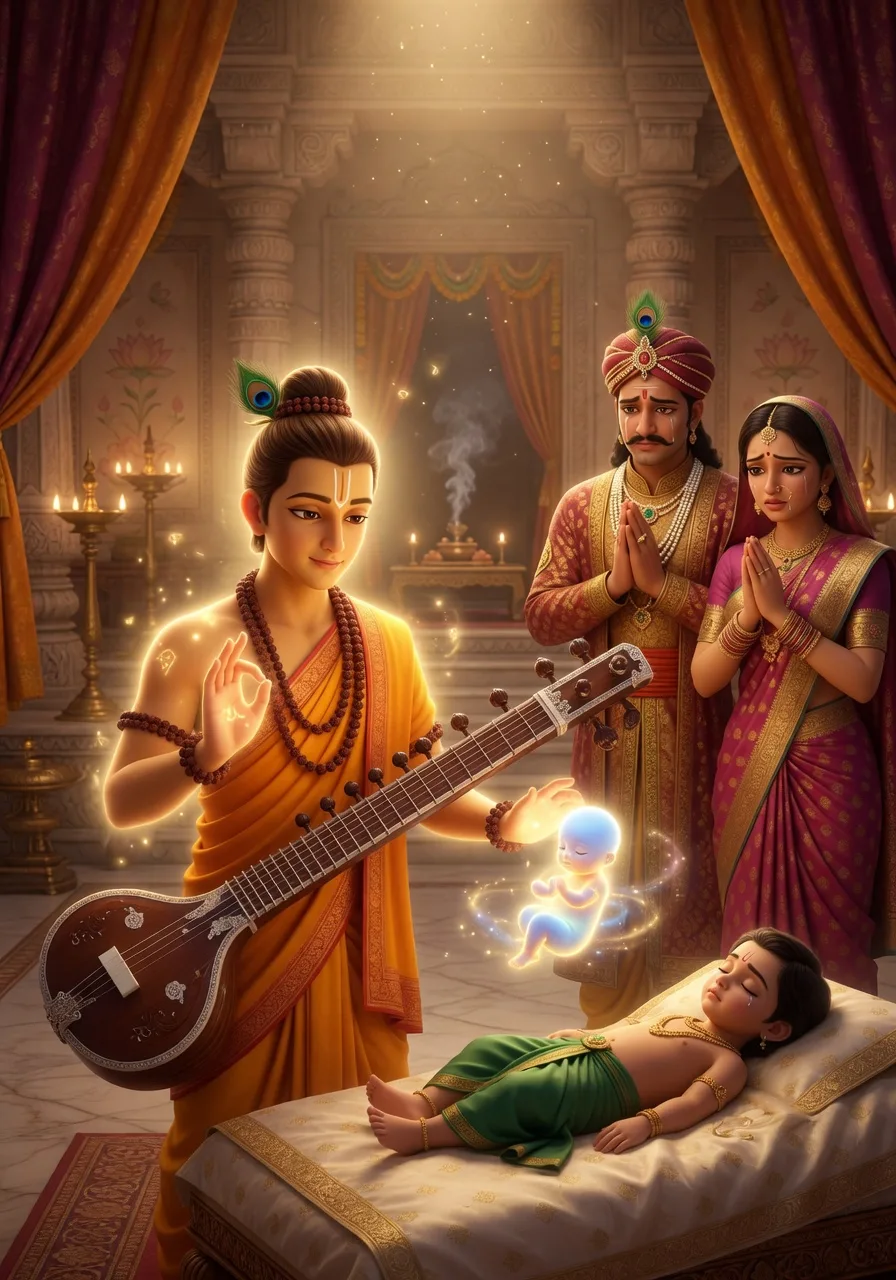
You change bodies the way you change clothes. When clothes wear out, you discard them without a tear. The body is the same. When it grows old and useless and the soul moves to a fresh one, that is not a tragedy. Handled rightly, it is a moment to rejoice, as long as the next body keeps the soul moving forward, a point for next week.
The soul cannot be killed, and it pervades the whole body. This is why Arjuna's grief was misplaced. He could end his grandfather's body. He could never touch the soul.
You are amazing, but borrowed. The soul is a wonder, and we are wonderful only because we are part and parcel of the supreme soul.
A note on duty. None of this is permission to harm another's body. Krishna is reminding Arjuna, a kshatriya, of his duty to protect dharma in that exact situation. Understanding the soul does not erase responsibility. It clarifies it.
To study these verses with their full meaning, read the Bhagavad Gita As It Is by Srila Prabhupada, whose commentary opens up who we really are. And on reincarnation in particular, the small and inexpensive book Coming Back gathers accounts from scholars across many traditions, not only Hindu ones.
How big is the soul?
Very small. The Svetasvatara Upanishad puts the size of the soul at one ten-thousandth of the tip of a hair. Take a single hair, take its tip, divide it ten thousand times, and that is the soul. It is incredibly small, and incredibly powerful. That tiny spark animates the body of an ant, a human, and an elephant alike. It sits not in the heart but in the region of the heart.
How many kinds of body can the soul take?
According to the Vedas there are 8.4 million species of life: aquatics, plants and trees, birds, beasts, and humans. A soul can take a body in any of them. Which one it takes depends on three factors, the subject of the next lesson.
Why is this the foundation of everything?
Because if you do not know you are the soul, you misuse the whole of life. Two pictures make it clear.
The driver and the car. You operate the body the way a driver operates a car. The car only moves with a driver inside. A body can never run itself. It always needs the atma at the wheel.
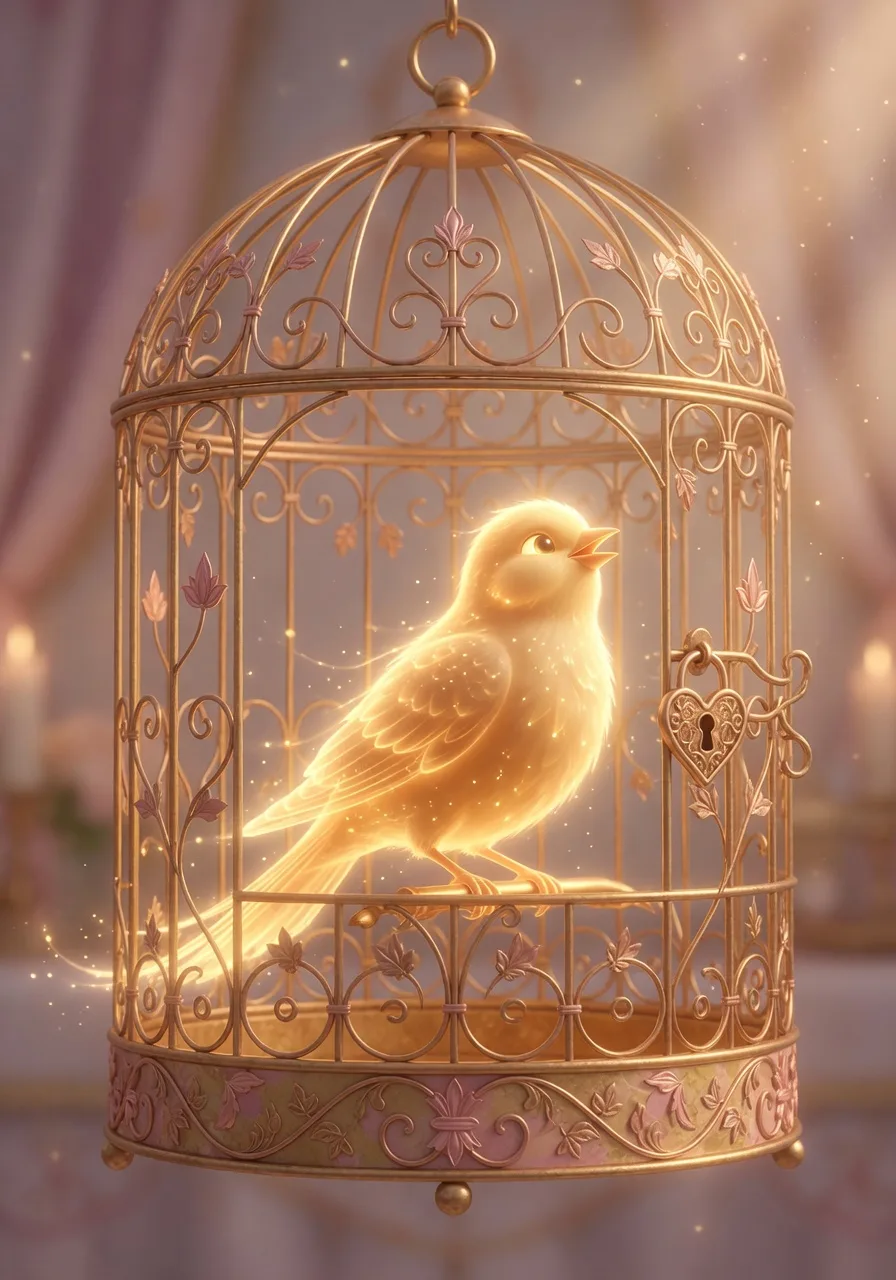
The bird and the cage. If you do not know the atma, you behave like a person who polishes a birdcage and forgets the bird. You feed and groom the cage, the outer body, while the bird inside, the soul, is left starving. The soul does not die, since it is eternal, but it sinks into deeper and deeper ignorance.
We live inside the body and yet are different from it, using it for a while to act, to chase desires, and to meet the world. This distinction is the first thing a true guru teaches. Without it, we keep reincarnating into one unnatural body after another, never satisfied, because a permanent being is hunting for happiness in a temporary place.
The teachers give children a simple practice. Once a day, perhaps at the mirror while brushing your teeth in the morning, say to yourself: I am not this body. I am pure spirit soul, a servant of the supreme soul. Say it often enough and it sinks past thought into the way you see yourself.
What is the full nature of the soul?
Drawn from Krishna's own description, the soul is: eternal, changeless, indestructible, imperishable, and immeasurable. It neither slays nor is slain. It has no birth and no death, was never born and will never be born, is everlasting and primeval and immutable. It cannot be cut by any weapon, burned by fire, wet by water, or dried by wind. It is unbreakable and insoluble, present everywhere, unchangeable, immovable, ever the same. It is invisible, inconceivable, and, in the end, amazing.
Key terms from this lesson
| Term | Meaning |
|---|---|
| Atma | The soul; the eternal self that wears the body |
| Jiva | The individual living being, the embodied soul |
| Paramatma | The supreme soul, of which the atma is part and parcel |
| Bhakti | Loving devotional service; the way to dissolve karma and end rebirth |
| Subtle body | The finer body beings hold in the heavenly planets, unlike our gross body |
| Six transformations | Born, grows, multiplies, stays, ages, dies; the mark of a soul-bearing being |
| Gyarvi / Barvi | The eleventh-day and twelfth-day ceremonies that release the departed soul |
| Garuda Purana | The scripture that describes the soul's journey after death |
What to carry forward
- You are not the body. You are the atma, the eternal soul within it.
- Your body has changed many times, yet you remain the same person. That is the proof.
- The Gita's first lesson, across nineteen verses, is that the soul cannot be born or killed.
- The soul is a ten-thousandth of a hair's tip, tiny yet powerful, seated near the heart.
- Caring only for the body is polishing the cage and starving the bird.
- Your last thought shapes your next body, so keep God in mind.
- Do not weep a soul into staying. Read the Gita and help it move on.
Previous lesson: ← Is there a God? (Ishvara)
Next lesson: Karma and reincarnation →
Back to the full course index.
Frequently Asked Questions
Independent writer, jaapak.com
I built the Jaapak app. I write in simple Hindi on the Bhagavad Gita and the satsang tradition — so seekers don't struggle with the scripture.
Read all articlesAbout this article
The commentary is based on the general understanding of the Sanatan tradition and written in accessible language. No verbatim quotation of any modern commentator is used.